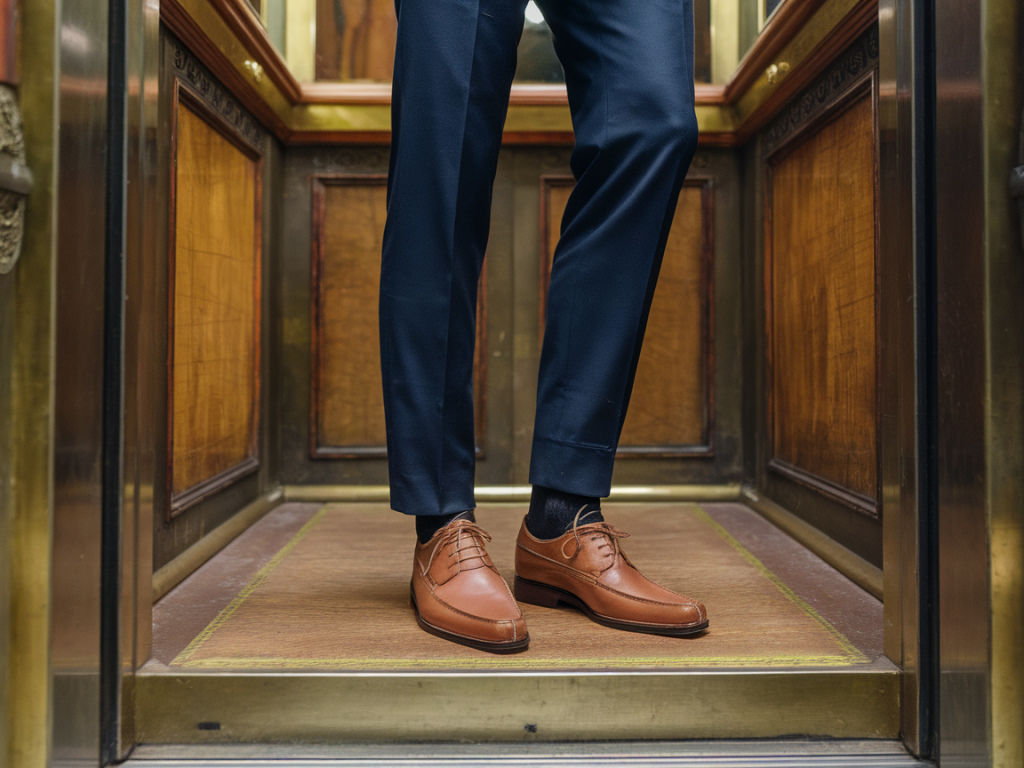
I remember the first time I noticed a colleague walk into a meeting with an air of quiet confidence that didn’t match his height. It wasn’t arrogance — it was posture, fit, and something subtle under his dress shoes. That moment made me curious about elevator shoes and the supply chain and manufacturing decisions behind them. As someone who spends most of my time thinking about systems, processes, and quality, I found the intersection of engineering, leatherworking, and ergonomics in luxury height-increasing footwear fascinating.
What exactly are elevator shoes?
Elevator shoes are ordinary-looking shoes engineered to discreetly add height — typically between 2 and 4 inches. They achieve this with an internal, hidden “engineered height system” that keeps the lift invisible from the outside. Brands like Mario Bertulli have been refining these systems since the 1960s, combining traditional shoemaking with precise internal architecture to deliver both elevation and a natural gait.
Why I take elevator shoes seriously — beyond aesthetics
From a systems perspective, elevator shoes are an elegant example of multidisciplinary design. They’re not just fashion items: they require careful integration of materials science (Italian leathers, lightweight midsoles), biomechanics (posture and gait), and production control (consistent builds so the internal lift performs predictably). For me, their appeal is twofold. First, they solve a personal, social problem — people want to feel confident in professional settings. Second, they showcase how high-value supply chains (European leather sourcing, skilled ateliers) can produce precision consumer goods with measurable ergonomic benefits.
Inside the shoe: anatomy and ergonomics
What makes a quality elevator shoe different from a generic platform is the internal engineering. A well-designed shoe balances:
When done right, the internal lift actually improves posture by aligning the ankles, knees, and hips more naturally than poorly made mass-market alternatives. I’ve tested pairs that made me walk taller and with less strain — a clear indicator of thoughtful ergonomic design.
Materials and manufacturing: why Italian leather and European craftsmanship matter
In products like these, raw material choice is a supply chain decision that directly impacts performance and longevity. Premium Italian leathers are used not only for their look and smell, but because they age well, breathe, and conform to the foot over time. Manufacturers like Mario Bertulli combine those leathers with rigorous European production standards — quality control checkpoints, skilled hand-finishing, and traceable sourcing. As someone who values measurable outcomes, I appreciate that these steps reduce returns and increase customer satisfaction, which is crucial when you sell a product that’s part fashion, part technical device.
How elevator shoes influence confidence and presence
The psychological effect of standing taller is well documented. I’ve observed that clients who wear discreet height-increasing footwear report improved presence in meetings, interviews, and social events. It’s not about tricking anyone — it’s about subtle support. The best elevator shoes provide an authentic silhouette and movement; they help the wearer feel more assured without drawing attention to the footwear itself.
Fit, sizing, and buying tips
Buying elevator shoes requires a slightly different approach than ordinary footwear:
Brands with robust customer service and easy returns make the decision less risky. In supply-chain terms, that means having forward logistics and reverse logistics policies that are customer-friendly — an area where premium brands often outshine fast-fashion competitors.
Care and maintenance
Good care extends the life of both the leather and the internal ergonomic components. My recommended routine:
From a production viewpoint, educating customers on maintenance reduces warranty claims and supports long-term brand value.
Use cases: when elevator shoes make sense
Elevator shoes fit a variety of occasions. In my experience they’re ideal for:
Choosing the right style for the occasion keeps the boost discreet and appropriate.
Supply chain considerations for premium elevator shoe brands
As a reader of a technology-and-supply-chain-focused blog, you might appreciate the logistics behind a brand like Mario Bertulli. Key operational elements include:
| Component sourcing | High-grade Italian leather, ergonomic insoles, lightweight midsoles — each sourced from specialized suppliers to ensure performance and consistency. |
| Manufacturing | European workshops with skilled artisans performing hand-finishing and assembly quality checks. |
| Quality control | Layered inspections to ensure internal lifts are correctly positioned and materials meet longevity specs. |
| Customer service | Responsive logistics for returns and resizing; important for customer trust and lifetime value. |
These elements create a differentiated product: one that justifies premium pricing and builds a loyal customer base.
My final thoughts on integrating elevator shoes into a modern wardrobe (no conclusion)
Elevator shoes are a practical, well-engineered solution when executed with care. They combine traditional leather artisanal skills with thoughtful internal mechanics to create footwear that boosts stature, improves posture, and supports confidence — all while remaining discreet. For professionals who care about presence and comfort, they’re worth exploring, especially from established makers who understand materials, ergonomics, and the logistics that make luxury products consistently reliable.